This is an interesting question. Often, the answer from unbelievers and Christians alike is rather straightforward: we can’t.
Not so fast, say some 20th-century Christian philosophers. The reason why the traditional answer is often negative, they say, is because the model of knowledge that is usually assumed is classical foundationalism, a fancy term that says that no belief can be accepted as known except that which is self-evident (like 2 + 2 = 4) or evident to the senses, or directly derived from a belief that is. Thus, because God’s existence is not self-evident, evident to the senses, or directly derived from a belief that is, we cannot know he exists.
But what if the way knowledge works is different? What if we can know God exists if we were designed to know him under certain conditions? Here knowledge would not necessarily depend on the reasons we might gather in our minds, but on whether we are forming beliefs properly. And in fact we are designed to believe in God this way, Christian philosophers tell us. For example, we were designed, Romans 1 seems to say, to form the belief “God exists” simply by looking at the created world. This belief, perhaps, arises in us spontaneously, and is not derived from any other belief. When we consider such passages as Romans 1, then, it seems that these Christian philosophers (the group known as Reformed Epistemologists) are on to something.
But are they really? Well, there may be more to the story here. For example, knowing that God exists and demonstrating or “proving” it to others (or to yourself!) may be two different things, if we take Reformed Epistemology’s view of the matter. Also, not everyone will form the belief “God exists” by looking at nature–or at least they won’t admit it. That’s where sin comes in. So we may indeed need to appeal to reason or the evidence of the senses to try to convince others that God exists, or to overturn evidence to the contrary. And this–called natural theology–is a worthy enterprise, with a long and glorious history. But I think the essential insight of Reformed Epistemology holds. We can know God exists if in fact he does exist and has created us to know him.
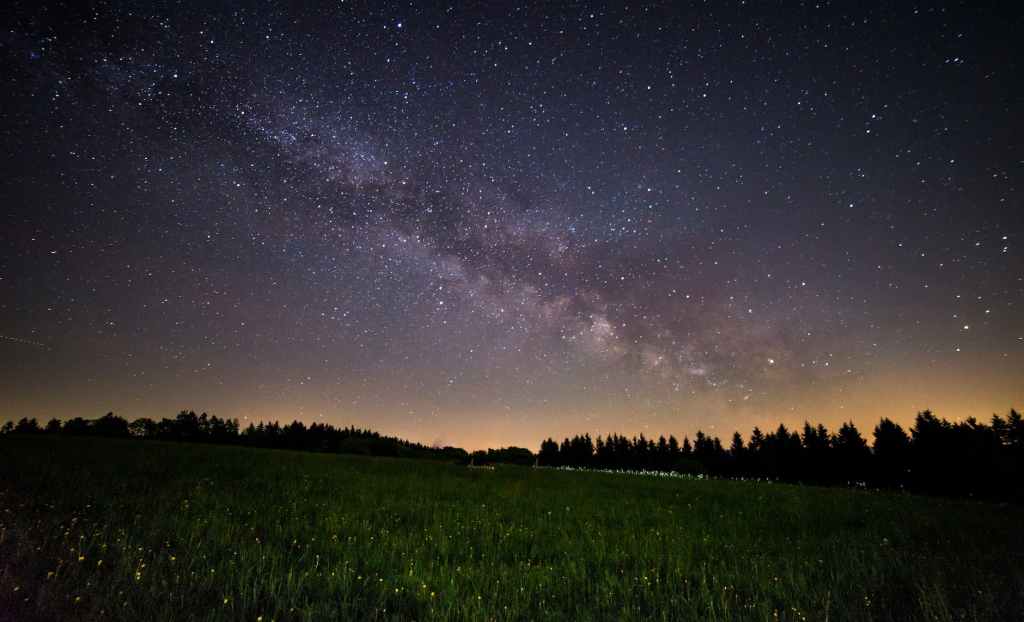
Go outside with confidence, then, and look up in perfect silence at the stars. If the thought of God arises in your heart, I’d say that’s knowledge as sure as any that can be found.
